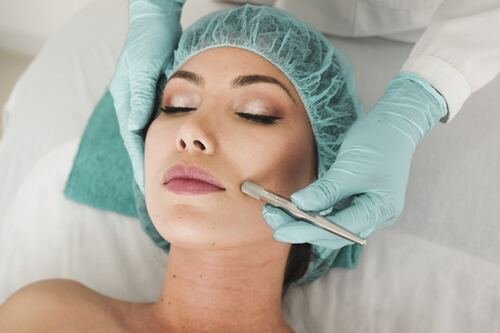




Rhinoplasty, commonly known as a ‘nose job’, is not merely a cosmetic surgery that alters the shape of the nose; it is a sophisticated rhinoplasty procedure that can also improve nasal function, offering both aesthetic and health benefits. It is one of the most common yet complex plastic surgeries, as it requires a surgeon to harmonise the delicate balance between the nose’s form and function.
What is Rhinoplasty?
Rhinoplasty is a surgical procedure aimed at changing the shape and size of the nose to improve its appearance or to correct structural issues that may cause breathing difficulties. Each procedure is highly individualised, considering the unique facial features and aesthetic goals of the patient, as well as any functional corrections that may be needed.
Preoperative Considerations
Before undergoing a rhinoplasty procedure, it is imperative to have a detailed consultation with a qualified surgeon. The preoperative phase includes a thorough medical evaluation, a discussion about expectations, and the creation of a tailored surgical plan. The surgeon takes into account the patient’s skin type, facial structure, and desired results.
Surgical Techniques
Rhinoplasty involves two primary techniques: the ‘open’ and ‘closed’ procedures. The open technique requires an incision across the columella — the strip of tissue separating the nostrils — allowing the surgeon greater visibility and access to the nasal structures. The closed technique, alternatively, involves incisions within the nostrils; it is less invasive and typically results in less visible scarring.
Surgeons sculpt the nasal structure by reshaping the bone and cartilage. In some cases, grafts may be used to support or augment the nasal framework. All these meticulous adjustments are made with the dual aim of improving the nose’s appearance and ensuring it functions properly.
Recovery and Postoperative Care
Following the rhinoplasty procedure, patients typically experience swelling, bruising, and discomfort. A period of rest is recommended, along with specific instructions on how to care for the nose during the recovery phase. Most patients can return to normal activities after a couple of weeks, but it can take up to a year for the final results to fully settle.
Risks and Complications
As with any surgical procedure, rhinoplasty carries potential risks and complications. These may include bleeding, infection, breathing difficulties, and the need for revision surgery. However, when performed by a skilled and experienced surgeon, the likelihood of complications is significantly reduced.
The Functional Benefits of Rhinoplasty
While rhinoplasty is often sought for its ability to transform the nose’s appearance, it also provides significant functional benefits. For those with a deviated septum or other structural abnormalities, rhinoplasty can improve airway function and alleviate respiratory issues such as snoring or sleep apnea. The procedure can restore a sense of normalcy to daily activities like breathing, which many of us take for granted.
Enhancing Nasal Airflow
Reshaping the internal structures of the nose, such as the nasal passages and septum, can lead to better airflow and increased oxygen intake. This improved function often results in patients feeling an overall enhancement in their quality of life post-surgery.
Combating Chronic Sinusitis
Rhinoplasty can also be beneficial for individuals suffering from chronic sinusitis. By correcting the nasal structure, the procedure can facilitate better sinus drainage and reduce the frequency and severity of sinus infections.
Aesthetic Improvements Through Rhinoplasty
The aesthetic enhancements achieved through rhinoplasty can bring profound psychological and social benefits. A reshaped nose can transform a person’s entire facial aesthetic, often leading to improved self-esteem and confidence.
Symmetry and Proportions
One of the primary aesthetic goals of a rhinoplasty is to create facial symmetry and a more balanced appearance. Surgeons carefully consider the ratios between the nose and other facial features to ensure the results look natural and proportional.
Refinement and Reshaping
Whether it is reducing the size of a prominent nasal hump, refining a bulbous tip, or correcting asymmetry, rhinoplasty can make subtle yet significant changes that enhance the overall facial contour.
Choosing the Right Surgeon
Selecting the right surgeon for a rhinoplasty procedure is crucial. Prospective patients should look for a surgeon who specialises in rhinoplasty, understands the complexities of nasal anatomy, and has a proven track record of successful outcomes. It’s essential to research and select a qualified professional who can provide peace of mind and ensure that both aesthetic and functional goals are met.
Initial Consultation
During an initial consultation, surgeons will typically provide before and after photos of previous patients, explain the surgery in detail, and outline the realistic outcomes that can be expected. This is also an opportunity for patients to ask questions and express any concerns they may have.
Final Thoughts
Rhinoplasty is a life-changing procedure for many people. It’s not just about achieving a more attractive nose; it’s also about improving breathing, enhancing facial harmony, and increasing self-confidence. A successful rhinoplasty procedure, one that artfully blends form and function, requires the expertise of a specialised surgeon, comprehensive planning, and a clear understanding of the patient’s aspirations and medical needs.
Conclusion
In conclusion, rhinoplasty is more than cosmetic surgery; it is a transformative health and wellness journey. Whether it’s to address aesthetic concerns or to resolve functional impairments, the rhinoplasty procedure stands out as one of the most impactful elective surgeries available today. It is a testament to the intricate balance between beauty and the optimisation of physical well-being.